When operating in hazardous environments, safety is not optional — it’s a legal and moral obligation. ATEX regulations provide the framework to ensure that both electrical equipment and mechanical rotary equipment can operate safely in explosive atmospheres.
“ATEX” comes from the French ATmosphères EXplosibles. It refers to two European Union directives:
-
ATEX 2014/34/EU – Governs equipment and protective systems intended for use in explosive atmospheres.
-
ATEX 1999/92/EC – Focuses on the safety of workers operating in potentially explosive environments.
Together, they ensure that equipment design, installation, and operation minimize the risk of ignition in hazardous zones.
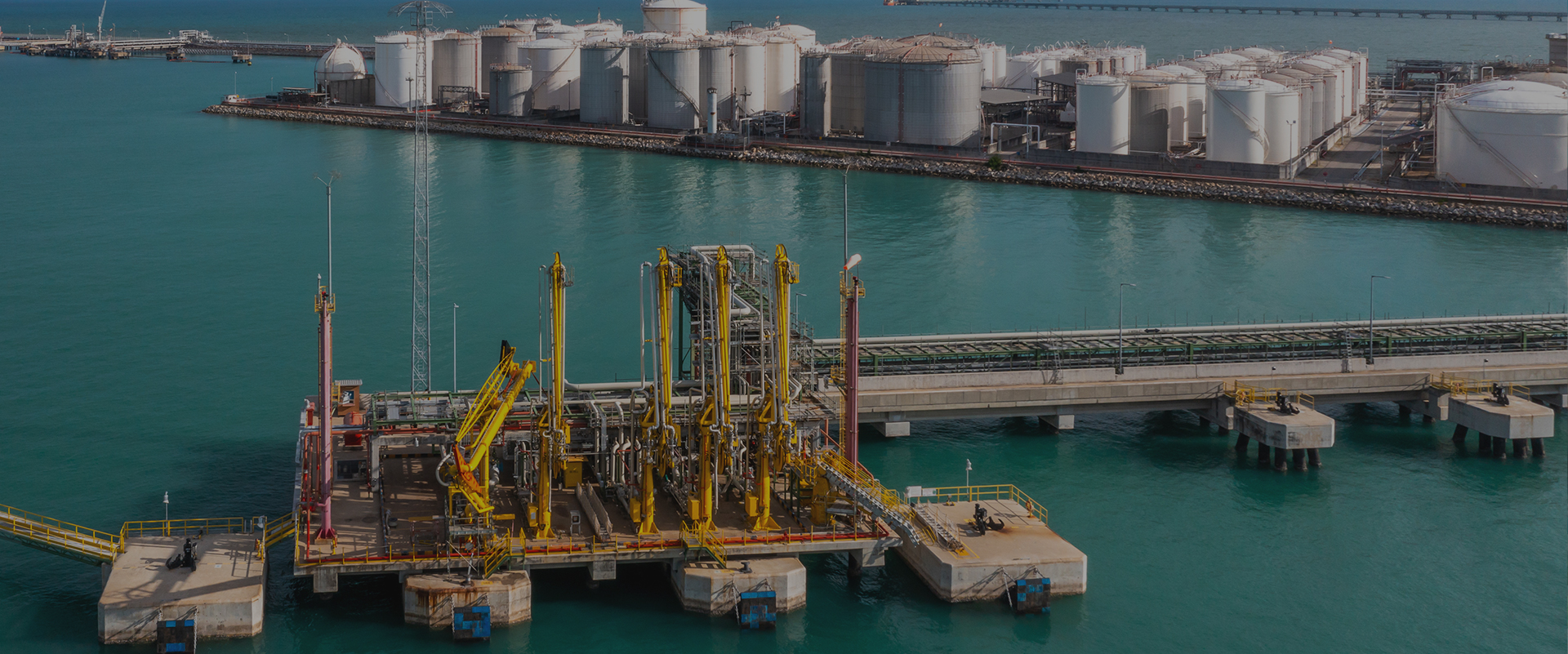
Explosive atmospheres can occur in industries like:
-
Oil & gas
-
Chemical processing
-
Pharmaceuticals
-
Food & beverage (grain, sugar, powders)
-
Waste treatment
Non-compliant equipment can be a serious ignition source, leading to catastrophic explosions, downtime, financial loss, and, most importantly, risk to human life.
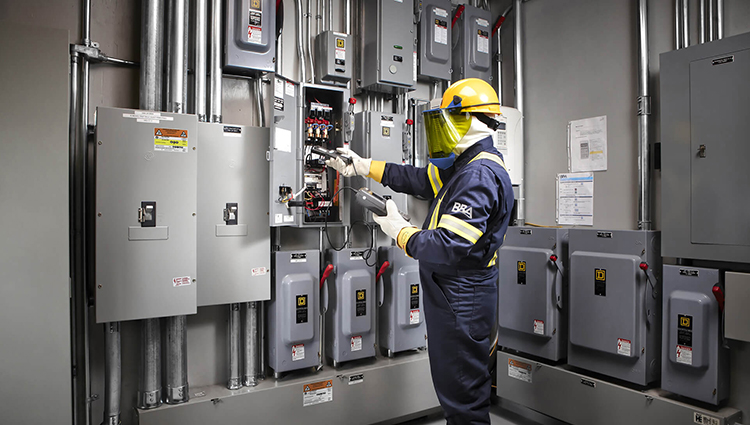
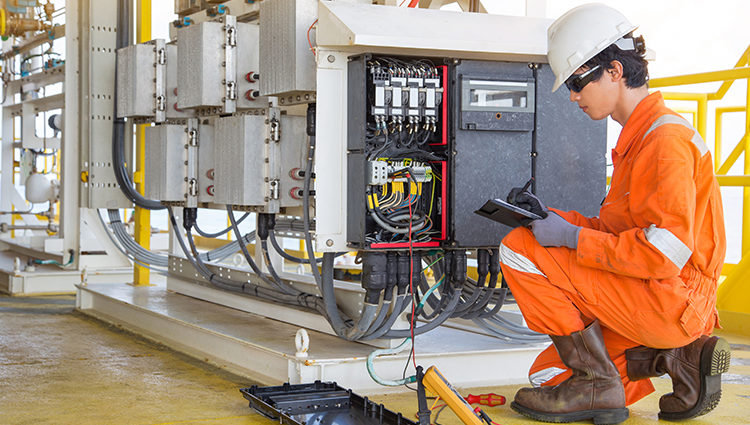
Electrical systems are one of the most common ignition sources. Under ATEX, manufacturers must ensure that equipment:
-
Uses certified enclosures to prevent sparks or arcs from igniting gases or dust.
-
Maintains surface temperatures below ignition thresholds.
-
Is properly classified according to the equipment groups (I for mining, II for surface industries) and categories (1, 2, or 3 depending on risk level).
Examples include motors, switchgear, lighting, sensors, and control panels.
Navigating ATEX regulations can be complex. Working with certified suppliers and consultants ensures:
-
Correct equipment selection for your application.
-
Compliance with legal obligations.
-
Reduced risk of accidents, downtime, and insurance penalties.
ATEX regulations are not just about compliance — they are about protecting people, assets, and the environment. Whether it’s electrical systems or mechanical rotary equipment, ensuring ATEX certification is the foundation of safe operations in hazardous industries.