In hazardous industries, safety and compliance with ATEX regulations are non-negotiable. But achieving compliance doesn’t always mean purchasing brand-new machinery. In many cases, existing mechanical and electrical equipment can be converted or modified to meet ATEX requirements, offering a safe and cost-effective solution.
For many businesses, replacing all non-ATEX equipment is not financially practical. Conversion offers several benefits:
-
Cost savings – Extends the lifespan of existing assets.
-
Reduced downtime – Avoids lengthy lead times for new machinery.
-
Sustainability – Supports reuse and reduces waste.
-
Tailored compliance – Ensures equipment is adapted to the specific ATEX zone it will operate in.
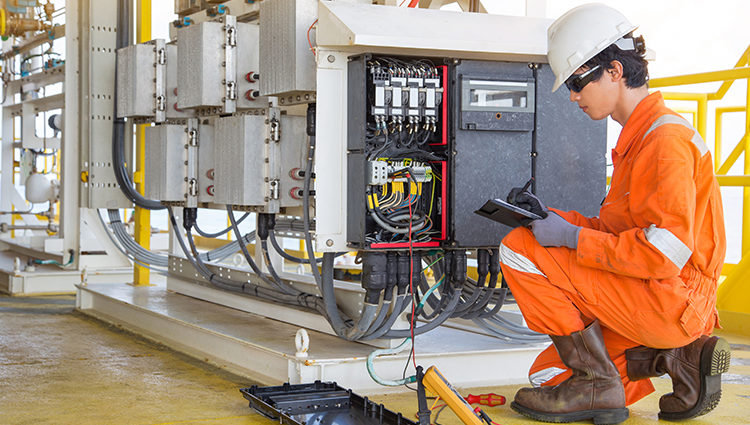
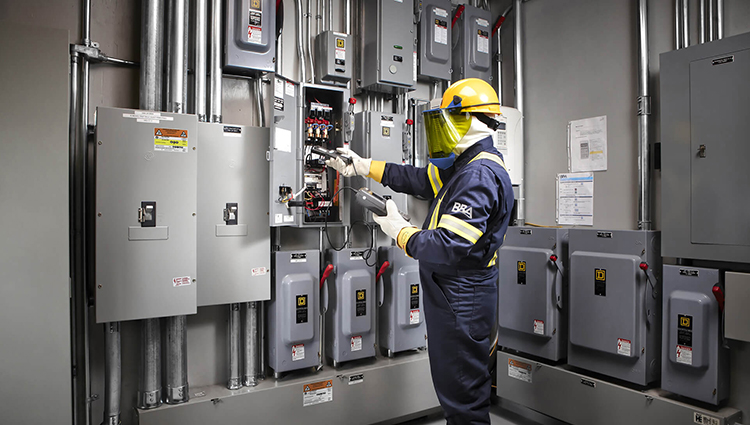
Electrical systems are a common source of ignition in explosive atmospheres. Conversions may include:
-
Installing explosion-proof enclosures or flameproof housings.
-
Upgrading wiring and connectors with ATEX-certified alternatives.
-
Adding intrinsic safety barriers and monitoring devices.
-
Implementing temperature control systems to ensure surfaces remain below ignition thresholds.
-
Re-certification and labeling to meet the correct equipment group, category, and zone classification.
Examples: Motors, switchgear, lighting systems, sensors, and control panels.
Mechanical rotary machines, such as pumps, mixers, fans, compressors, and gearboxes, can also pose risks through heat generation or frictional sparks. Conversions may involve:
-
Replacing materials with spark-resistant alloys.
-
Upgrading seals, bearings, and lubrication systems to minimize friction.
-
Installing temperature monitoring devices.
-
Designing modifications to reduce contact between moving parts.
-
Certifying modifications to ensure compliance with the required ATEX categories.
A typical ATEX conversion project includes:
-
Risk Assessment – Identifying potential ignition sources.
-
Engineering Modifications – Implementing design or component changes.
-
Testing & Validation – Ensuring modifications perform under hazardous conditions.
-
Certification & Documentation – Providing the ATEX marking, technical files, and audit-ready documentation.
ATEX conversion requires both technical expertise and regulatory knowledge. Partnering with certified ATEX specialists ensures that:
-
Your equipment is modified to the correct standards.
-
All documentation and certification are legally compliant.
-
Conversion projects are delivered efficiently, with minimal disruption to operations.
ATEX compliance doesn’t have to mean replacing every piece of equipment. Through professional conversion of electrical and mechanical rotary equipment, businesses can achieve compliance, extend asset life, and improve safety while keeping costs under control.
If you operate in an ATEX environment, consult with a trusted specialist to explore whether your equipment can be safely and effectively converted.